Renyu Zhang loves meat.
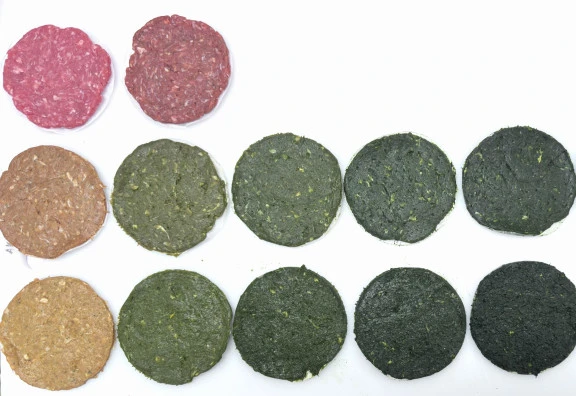
He’s a meat scientist, after all. So when he saw for the first time in his laboratory the hybrid beef burger he’d created, a mix of beef, Chlorella (a nutrient-rich algae), and nutritional yeast, the rational side of his brain knew that his skills in food innovation and science had made this new creation possible, but taste would decide if it survived. Which is why, like any good scientist at the Bioeconomy Science Institute, he had a plan B.
“I knew consumers are more willing to experiment with snack foods,” he says. “We have a more open mind to trying different textures and flavours in a snack than in something we have a strong emotional attachment to like a burger which is why at the same time we made something a little bit novel in the hybrid meat space.”
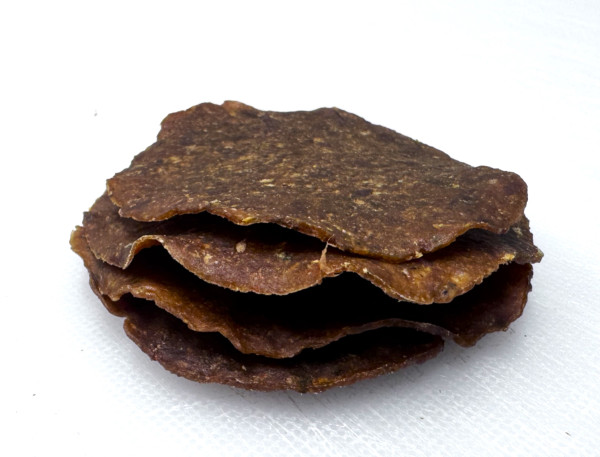
Beef jerky might sound old‑school, perhaps even foreign to most New Zealanders, but for Zhang, it was the perfect canvas for innovation. Unlike burgers, which come bundled with very fixed expectations about taste and texture, jerky sits in a space where consumers are curious and adventurous. That curiosity gave him room to test the central thesis of his hunch about dual‑protein foods - hybrids that pair familiar meat with carefully chosen alternative proteins to boost nutrition and reduce environmental impact without losing the pleasure of meat.
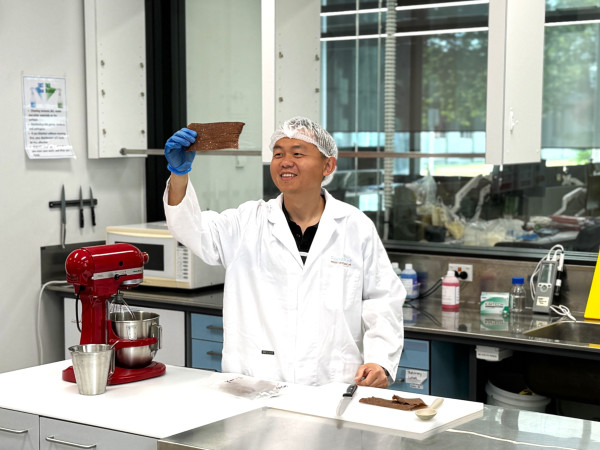
Dr Renyu Zhang working in his laboratory in Palmerston North.
He wasn’t thinking in isolation, either. The world’s appetite for protein is rising, and with it, the pressure to produce food that’s both nutritious and sustainable. Meat delivers high‑quality protein and micronutrients - no argument there. But blending meat with complementary proteins from plants, edible insects, microalgae, or nutritional yeast, or even biomass from the dairy sector opens new pathways to use resources more efficiently while preserving the taste people love. The question is how to do it without turning a good idea into a chewy compromise.