With New Zealand summers getting hotter and drier, the Bioeconomy Science Institute is supporting innovative research into climate-resilient pastures by collecting seeds from all over the world.  

Seed hunter Zane Webber from the Bioeconomy Science Institute recently collected over 300 seed samples from 45 sites across Albania and Serbia to add to the Margot Forde Genebank. A genebank is a facility that preserves and stores genetic material, such as seeds, tissues, eggs, sperm, or DNA from plants and animals.


It’s the first time that seeds from these regions have been added to the collection, which is based in Palmerston North. Securing these seeds has been years in the making, as establishing trust to enable international partnerships and agreements was required before collection began. 


Home to more than 175,000 seed samples from more than 100 countries, the genebank is one of the most diverse collections of its kind and the largest forage genebank in the world. It plays a critical role in preserving plant genetic resources to support food security, biodiversity, and sustainable agriculture.  


Among the newly collected species, which are yet to arrive in New Zealand, are populations of ryegrass, clover, fescue, cocksfoot and herbs such as chicory.  
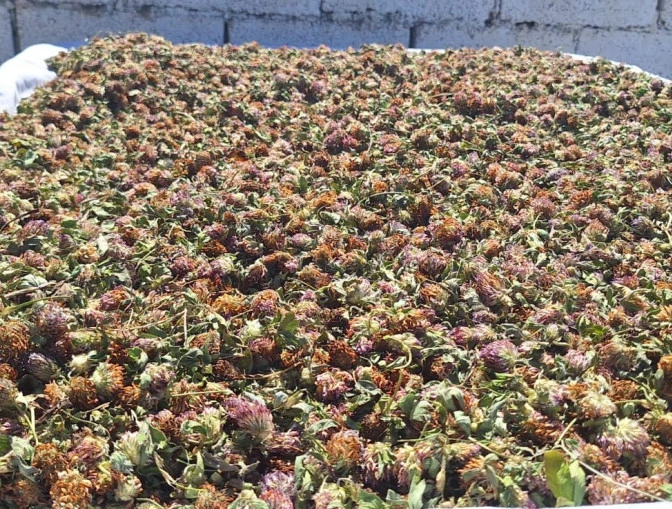
Species of red clover collected during the mission

Webber says these seeds are particularly valuable because they originate from regions that have recently experienced severe drought. 

“Many of the newly collected seeds are from plants that have survived in tough environments, making them a valuable genetic resource for developing forage varieties that can better withstand climate change here in Aotearoa New Zealand.” 

He says maintaining and expanding the genebank is critical to safeguarding the future of New Zealand’s primary industries. 

“Nearly all our crop and forage species originate overseas, so it’s important we keep exploring new genetic material to stay ahead of challenges like climate change and emerging pests.” 

The seeds will be available to researchers and plant breeders to develop new varieties more resilient to challenges like climate change, pests or diseases, or farmers interested in diversifying their pastures. 

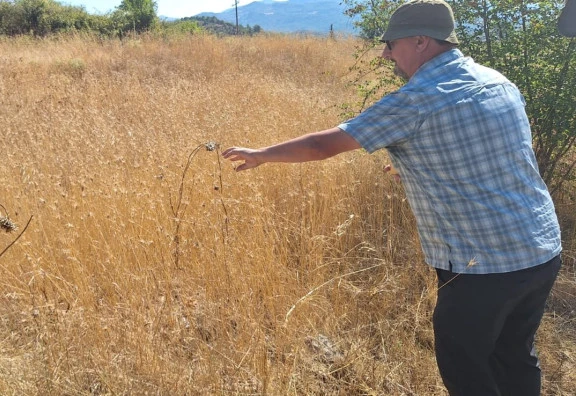
Webber says the mission involved long hours in the field, often collecting seeds from roadsides where diverse species thrive.  

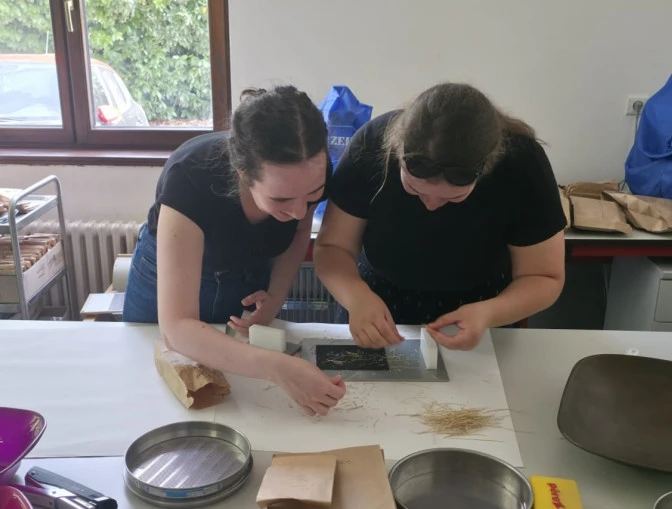
Each collection site was documented, processed on an app in real-time to transfer to the database, and the seeds carefully cleaned to meet New Zealand’s strict biosecurity standards. 

Students carefully processing seeds

He credits the success of the mission to the support from the local genebanks and international collaborators, including professors and taxonomists who volunteered their time and expertise. 

Over the past 20 years, Webber has led numerous seed collecting missions for the Margot Forde Genebank across the world –   from Spain and Portugal to Armenia, Tajikistan, Greece, Cyprus, and Russia. 

He describes the work as rewarding but challenging. 

“It’s not glamorous, you’re definitely not staying in the Ritz. But these missions are once-in-a-lifetime experiences that allow you to immerse yourself in new cultures and connect with incredible people working together to conserve the world’s plant genetic resources.” 

Webber says that the seeds housed in the Margot Forde Genebank – like those in many genebanks worldwide – can be requested by researchers. 

“They’re a gift to humanity. Most countries, including New Zealand, cannot thrive on their own endemic genetic resources alone.” 

Find out more about the Margot Forde Genebank.

Related People

Our People

Get in touch with our team

Contact us

Send an email to one of our team or check out our facilities located across Aotearoa New Zealand.

Send another enquiry

Something went wrong and the form could not be submitted. Please try again later.