Back to Māori Partnerships

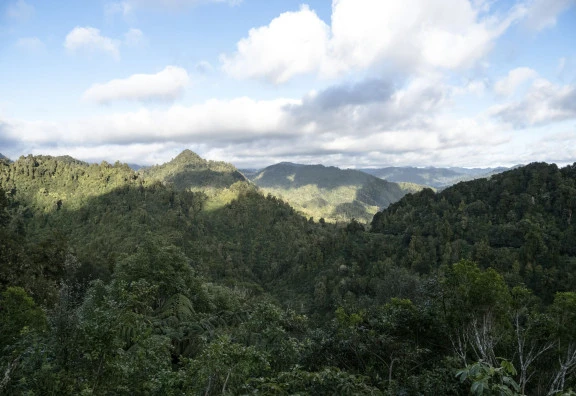
In the heart of Te Urewera, where rivers carry the stories of generations, lies the whenua of Te Manawa o Tūhoe (TMOT). This is no ordinary patch of land—it is a living connection to tīpuna (ancestors), stretching across 8,600 hectares and representing the interests of 6,500 Tūhoe shareholders. At its core sits Hatupere, a 250-hectare dairy farm that has  long stood as a symbol of Tūhoe mana and self-determination.

Today's challenges

Hatupere faced a challenge shared by many in farming today: how to remain  productive and profitable while upholding deep commitments to environmental guardianship—kaitiakitanga. That’s where our partnership began.

In 2019, a three-year collaboration was launched to explore sustainable farming practices that aligned with Tūhoe values. The goal? To reduce the farm’s reliance on palm kernel extract (PKE), a common but controversial imported feed, and to find smarter, more sustainable ways of using the land.

From the outset, the project wasn’t just about numbers. It was about tikanga—the right way of doing things. Hui were held kanohi ki te kanohi (face-to-face), where our team listened and learned. They heard about the importance of protecting taonga (treasures), not just in a spiritual sense, but as tangible assets—soil, water, animals, and people—interwoven in Tūhoe life.
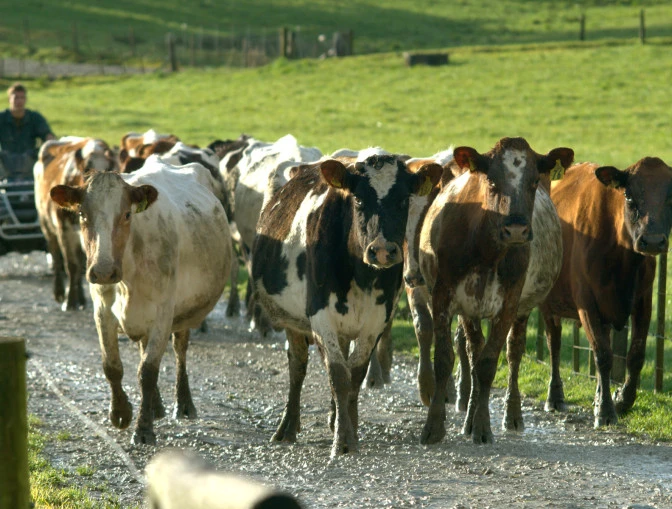
From the outset, the project wasn’t just about numbers. It was about tikanga—the right way of doing things

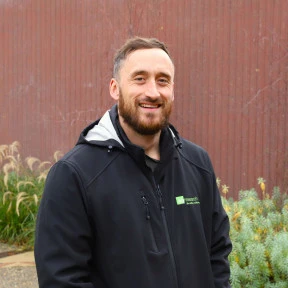
Ariana Estoras, Kaiārahi Matua/Director Māori Strategy, Research & Partnerships

Applying science to the land

The early science showed that simply removing PKE wouldn’t significantly change the farm’s footprint. So, the team broadened the scope. Together, they explored everything from better feed systems to nutrient mapping, to more efficient effluent management. This wasn’t theory—it was practical, applied science tailored to the land and its people.

One year in, the results were already being felt. The first major report was called “the most relevant and useful” TMOT had received to date. It provided the evidence the Trust needed to make bold decisions:

  • Lucerne was planted across 17 hectares, reducing the need for imported feed.
  • Soil testing and nutrient mapping meant fertiliser could be applied precisely—cutting use by more than 10%, saving money and reducing nitrogen runoff.
  • Effluent systems were upgraded, doubling the application area and reducing pressure on synthetic inputs. The introduction of a “weeping wall” system separated solids from liquids, making nutrient recycling safer and smarter.

These changes weren’t just good for the environment. They were also good for business. TMOT began to see Hatupere not only as a productive dairy operation, but as a flagship farm—one that other Māori landowners in the Rūātoki region turned to for inspiration and advice. And the ripple effects didn’t stop there.

A whole farm plan

With a Whole Farm Plan now in place, TMOT extended its sustainability efforts into its forestry assets and began planning for freshwater protection. The insights gained gave them the confidence to seek further investment—applying to the Ag Emissions Centre to pilot emissions reduction strategies across Māori land.

For our team, the partnership offered more than scientific success. It was a lesson in true co-development. By working closely with TMOT, researchers deepened their understanding of Te Ao Māori—of how science, tikanga and whenua are not separate but intertwined. Cultural competency grew not from workshops, but from walking the farm together, sitting in hui, and weaving science into the aspirations of the people.

Find out more about Te Manawa o Tūhoe by visiting their website.

Te Manawa o Tūhoe

Get in touch with our team

Contact us

Send an email to one of our team or check out our facilities located across Aotearoa New Zealand.

Send another enquiry

Something went wrong and the form could not be submitted. Please try again later.