Back to Māori Partnerships

A breakthrough in weed control and pasture management has delivered significant financial and environmental benefits for Wi Pere Trust. Research led by our team, in collaboration with Ravensdown and Wi Pere, has helped increase earnings before interest and tax by 20% at one of the Trust’s properties—transforming farm productivity and profitability. 

Background

At the heart of this success is an innovative approach to managing variegated thistle, a persistent weed that was limiting pasture growth and reducing livestock productivity. Traditional herbicide methods were costly, only offered short term relief, and contributed to herbicide resistance.

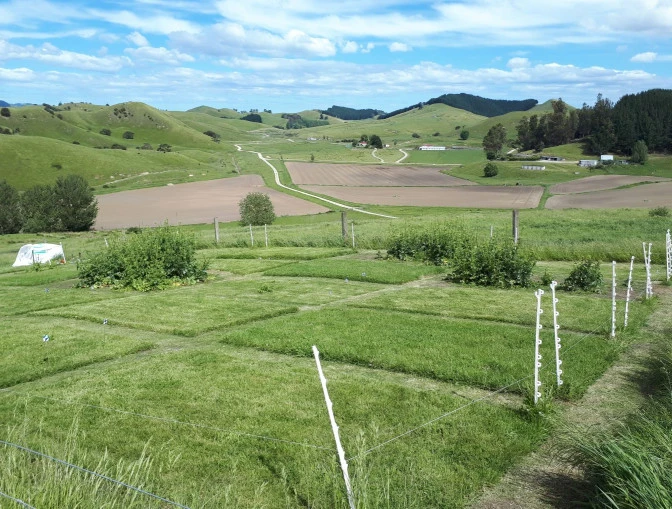
Our scientists tested a smarter strategy: applying a clover-friendly herbicide earlier in the season—before the thistles were even visible — while also boosting legume establishment to naturally outcompete weeds. The results were game-changing.

Farm economic modelling suggests substantial economic benefits from applying the insights in this research. It has been a massive success.

Tim Rhodes, Wi Pere Trust

Smart science, real-world gains

The research, supported by our Strategic Science Investment Fund (SSIF), identified key improvements for Wi Pere Trust’s hill country farms, Tangihanga and Otara.

These included:

  • Better weed management: Targeted spraying of thistle earlier in the season reduced its spread while preserving valuable pasture species
  • More resilient pastures: Oversowing white clover into existing grassland improved soil nitrogen levels and pasture growth, leading to healthier livestock.

The impact has been substantial. Areas where white clover was introduced now maintain a 30-40% clover base—compared to just 10% before the project. Improved pasture quality led to higher weight gains in cattle and lambs, translating to farm revenue increases of $420 to $1,960 per hectare annually. 

Cutting costs and environmental benefits

Beyond financial gains, the research has also delivered environmental benefits and reduced farm costs. Wi Pere has lowered herbicide use by approximately 40%, saving about $100,000 per year in input costs. Less herbicide means reduced environmental impact—better protecting waterways and soil health while also aligning with the Trust’s values of sustainable land stewardship.

With stronger pastures, the need for synthetic nitrogen fertilisers has also declined. Previously, some paddocks received around 46 kg of synthetic nitrogen per hectare
annually; now, the same or better growth is achieved naturally, cutting costs by $112 per hectare.

Scaling up for Aotearoa New Zealand

Wi Pere's success offers a model for other hill country farms across the country. Through on-farm demonstrations, field days, and factsheets published by Beef + Lamb New Zealand, we are helping share these insights nationwide.

If widely adopted, the approach could improve productivity across millions of hectares of hill country farmland, boosting farm incomes and reducing resilience on agrichemicals.

A stronger future for farming

For Wi Pere Trust, founded in 1899 to preserve and grow its whānau legacy, this research is a win-win. It strengthens the commercial performance of its farms while ensuring long-term sustainability. The partnership with our team and Ravensdown has delivered practical solutions with lasting impact — helping New Zealand farmers stay productive, profitable, and environmentally responsible. 

By combining science with smart farming, the Trust is not only honouring its past but also securing its future for generations to come.

Find out more about Wi Pere Trust by visiting their website.

Wi Pere Trust

Get in touch with our team

Contact us

Send an email to one of our team or check out our facilities located across Aotearoa New Zealand.

Send another enquiry

Something went wrong and the form could not be submitted. Please try again later.