Understanding the function of the rumen microbiome is key to developing technologies and farming practices that support efficient global food production from ruminant animals while also reducing greenhouse gas emissions.

Background

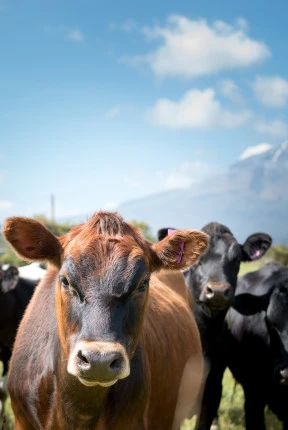
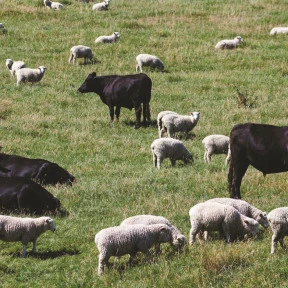
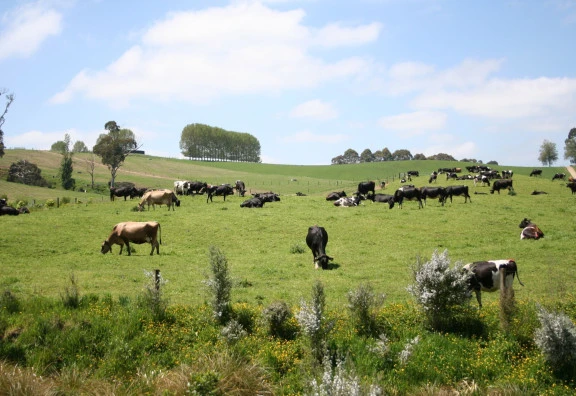
The majority of greenhouse gas emissions from New Zealand's animal products occur behind the farm gate, giving the sector a vital role in helping the country meet its national emission reduction targets. These emissions largely come from ruminant animals which naturally produce methane as part of their digestive process.

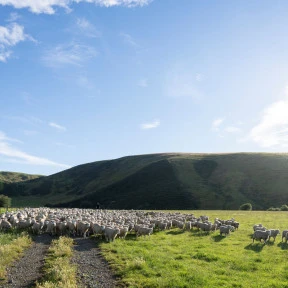
Pastoral farming systems (where animals graze on grass) can make it harder to reduce emissions. These farms often cover large areas, rely on natural processes, and vary depending on the land and livestock. That makes it difficult to apply one-size-fits-all solutions. Any approach needs to work in real-world farming conditions and be something farmers can actually use. It also needs to meet the expectations of consumers and international markets. Using a mix of different strategies helps manage risk and gives the sector the best chance of long-term success.

The sector must focus on delivering solutions that are practical for farmers and credible to consumers, while also supporting national emissions reduction goals.
The rumen explained

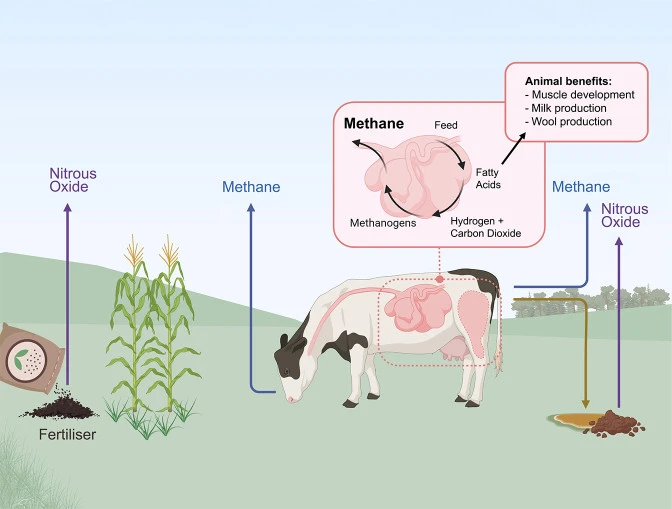
Process of digestion in a ruminant animal

The rumen is a special part of the stomach in grazing animals like sheep and cows. It helps them digest tough plant material, such as grass and hay, by breaking down the fibrous parts through a process called fermentation.

Inside the rumen, billions of tiny microbes work together to break down food. As they do this, they produce short chain fatty acids, which provide energy the animal needs to grow and stay healthy.

The fermentation process also generates byproducts like hydrogen gas, which is conserved by microbes called methanogens and converted into methane gas. This is mainly belched out by the animal, although a small amount is released from the backside. While methane is relatively short-lived in the atmosphere, it is a potent greenhouse gas that plays a significantly role in global warming and climate change.

Our key research areas

Reducing methane emissions from livestock

Researching the microbial processes behind methane production in the rumen to develop effective strategies for reducing greenhouse gas emissions. Our work includes:

  • Developing methane inhibitors to directly suppress methane formation
  • In partnership with Lucidome Bio(external link), creating anti-methanogen vaccines to target key methane-producing microbes
  • Informing the breeding of low-methane genetic lines for long-term impact
  • Exploring future-focused approaches to support sustainable livestock systems.
News article

Bioeconomy Science Institute to research methane inhibitor for grazing livestock

This news article talks about a multi-million dollar funding boost from AgriZeroNZ to accelerate the search for a methane inhibitor that works for grazing livestock.

READ MORE

Optimising rumen function in livestock

Exploring the interactions between feed, the rumen microbiome, and the animal to enable targeted control of rumen fermentation. Our research focuses on:

  • Decoding microbe-to-microbe networks to understand microbial interactions
  • Identifying microbial functions and bottlenecks for desirable rumen traits
  • Harnessing rumen processes to enhance animal production and extend benefits beyond the animal.
News article

Adapting for future feeds to improve animal health and performance

This news article takes a closer look at the rumen sampling work our scientists have been doing to better understand the vital role of microbes in ruminant digestion.

READ MORE

The Hungate1000 project

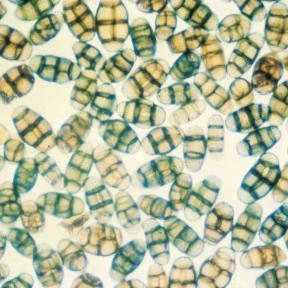
Our scientists played leading roles in the groundbreaking Hungate1000 project, a multi-organisational international effort to catalogue and understand the microbial life within the rumen. Their contributions were featured in the prestigious journal Nature Biotechnology, in the paper Cultivation and sequencing of rumen microbiome members from the Hungate1000 Collection(external link).

Launched in 2012 as a global community resource, the Hungate1000 project assembled a comprehensive collection of virtually all known bacteria and archaea (microorganism species) cultivated from the rumens of diverse animals. At the beginning, reference genomes existed for only 14 bacteria and one methanogen, leaving most of the rumen’s microbial diversity unexplored. By the project’s conclusion, scientists had sequenced 410 cultured bacteria and archaea, representing approximately 75% of living organisms (genus-level taxa) in the rumen.

This crucial research has generated vital new knowledge, enabling scientists to harness rumen microbiome data to design strategies that reduce methane emissions and improve productivity and sustainability in livestock farming.

The project’s success reflects a bold and innovative approach to a long-standing challenge. It involved large-scale data analysis and international collaboration, and its publication in a high-impact journal highlights its significance. Strong citation evidence shows that the Hungate1000 collection is now widely used by researchers around the world.

Our scientists explaining what was involved in the project

Our expertise

  • Methane inhibitor development

    Inhibitors are chemical compounds fed to livestock to reduce methane production in the rumen.

    Our team brings expertise across the full development pipeline, including:

    • Discovery and design of new compounds
    • Access and use of compound libraries
    • Microbial genome analysis to identify key targets
    • Computer-based protein modelling and inhibitor screening
    • Enzyme expression and characterisation
    • Enzyme crystallography and structural analysis
    • Inhibitor testing using Surface Plasmon Resonance
    • In vitro screening and assay development
    • Development and application of slow-release capsules
    • Animal trials in sheep and cattle
    • Rumen community profiling to understand microbial interactions
  • Methane vaccine development

    We are working closely with Lucidome Bio(external link) who are driving the acceleration of methane vaccines onto the market. Our expertise spans the full vaccine development pipeline, including:

    • Cultivation of methanogens for vaccine target identification
    • Vaccine design and development
    • Protein analysis techniques, including 2D electrophoresis and Western blotting
    • Protein expression and purification
    • Bioinformatics and DNA sequencing
    • Animal trials in sheep and cattle
    • Immunological response measurement, including ELISA for antibody detection
    • qPCR for gene expression analysis
    • Surface Plasmon Resonance and flow cytometry to assess antibody binding and vaccine efficacy
  • Rumen microbial genomics

    We are investigating key rumen microbes and enzymes involved in the production and consumption of hydrogen, methane, and carbon dioxide—and exploring ways to modulate these processes to reduce emissions.

    Our expertise includes:

    • Microbial genome analysis, including contributions to the Hungate1000 project
    • Rumen metagenomics and metatranscriptomics to study microbial genes and activity
    • Microbial ecology, including work on the Global Rumen Census
    • Microbial physiology, including isolation and characterisation of rumen anaerobes; culturing, co-culturing techniques, defined consortia experiments; and mini rumen in vitro systems for screening methanogen inhibitors
  • Biogenic greenhouse gas mitigation

    Research that focuses on methane, with the aim to reduce emissions from pastoral systems through innovative strategies such as:

    • Discovering and developing methane inhibitors tailored for grazing livestock
    • In partnership with Lucidome Bio(external link)(external link), creating anti-methanogen vaccines to target methane-producing microbes
    • Supporting on-farm implementation of low-methane genetics in sheep, and contributing to the cattle discovery programme
    • Evaluating forages and crops as tools to reduce methane emissions
    • Developing early-life strategies to influence lifetime methane output
    • Establishing high-throughput lab methodologies for measuring methane emissions efficiently.

Into the future

The team has identified opportunities for future rumen microbiology research including:

  • Leveraging resources, like Hungate1000, to map microbial processes that drive the flow of energy and nutrients in the rumen
  • Identifying key relationships between feed, rumen, gut, and animal traits to demonstrate proof-of-concept for tailored rumenotypes
  • Continuing discovery and screening of methane inhibitors, including their interaction with breeds, feeds, and modes of action
  • Exploring additive effects, interactions, and trade-offs among different methane-reducing interventions
  • Investigating microbiome diversity and function in young/pre-ruminants, and how current feeding systems influence microbial development
  • Studying novel microbial capabilities, including plastic generation and degradation in the rumen
  • Advancing research to enable practical implementation of rumen-based technologies in pastoral farming systems.
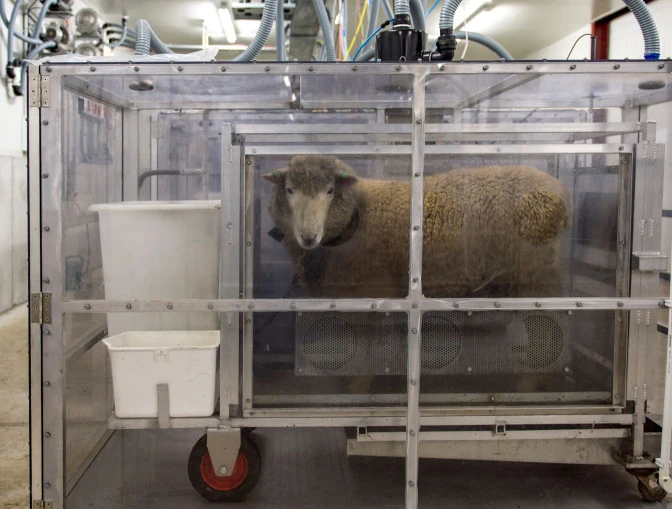
Measuring methane emissions using an accumulation chamber

Key partners

Lucidome Bio

With the vision to help farmers feed the world while protecting the planet, Lucidome Bio are developing a safe, effective, and affordable vaccine to reduce ruminant methane emissions and tackle a major climate change challenge.

Find out more

Key Projects

Research

Latest News

News

Get in touch with our team

Contact us

Send an email to one of our team or check out our facilities located across Aotearoa New Zealand.

Send another enquiry

Something went wrong and the form could not be submitted. Please try again later.